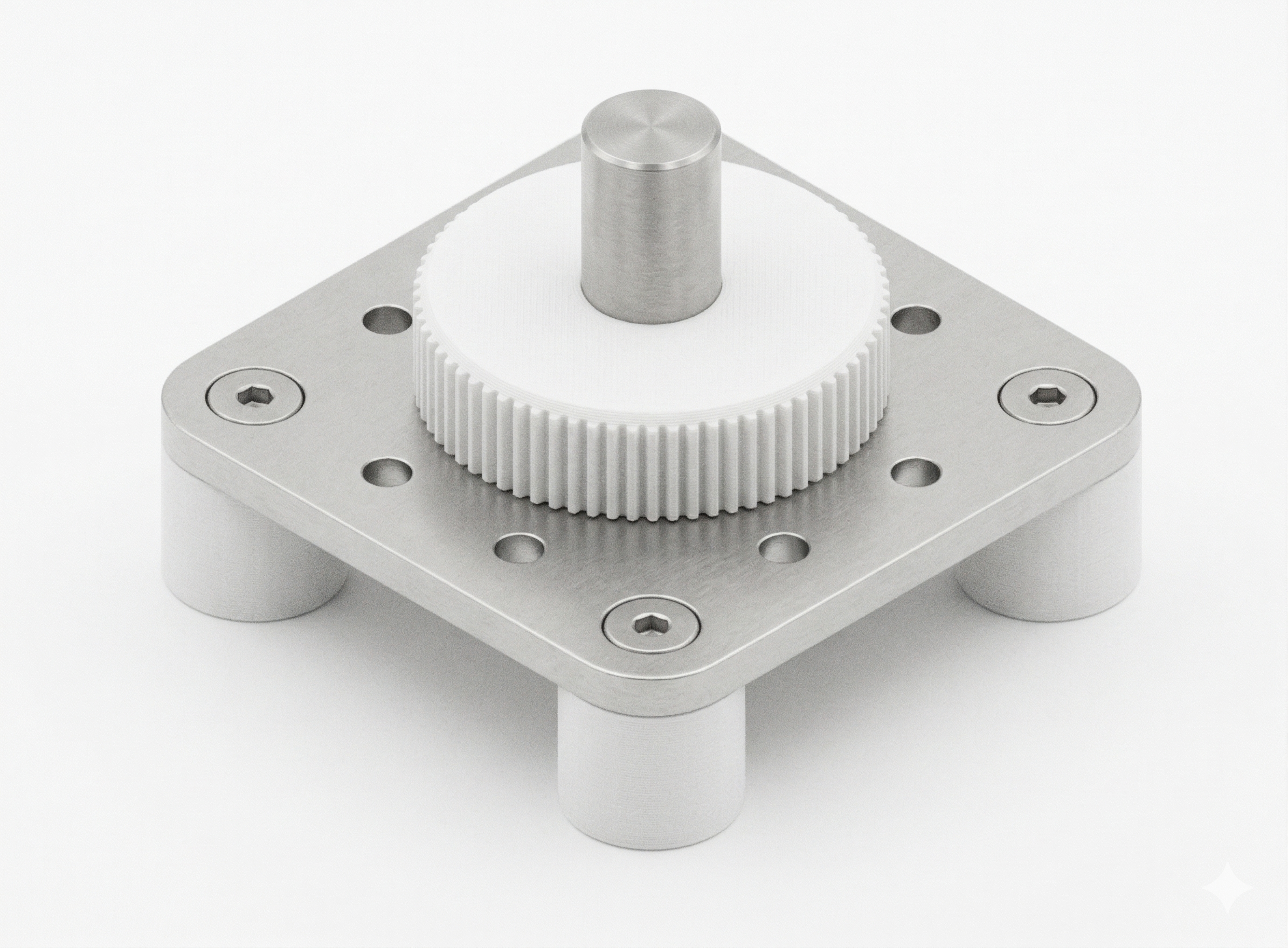
Kink Test Mandrel Set — Fixed Pin
4×4 base plate with a fixed pin gage for kink resistance testing per FDA guidance. One pin diameter per test; the collet set holds pin gages of different diameters, so you change the bend diameter by swapping the pin rather than the fixture.
Standard: FDA-recommended kink test method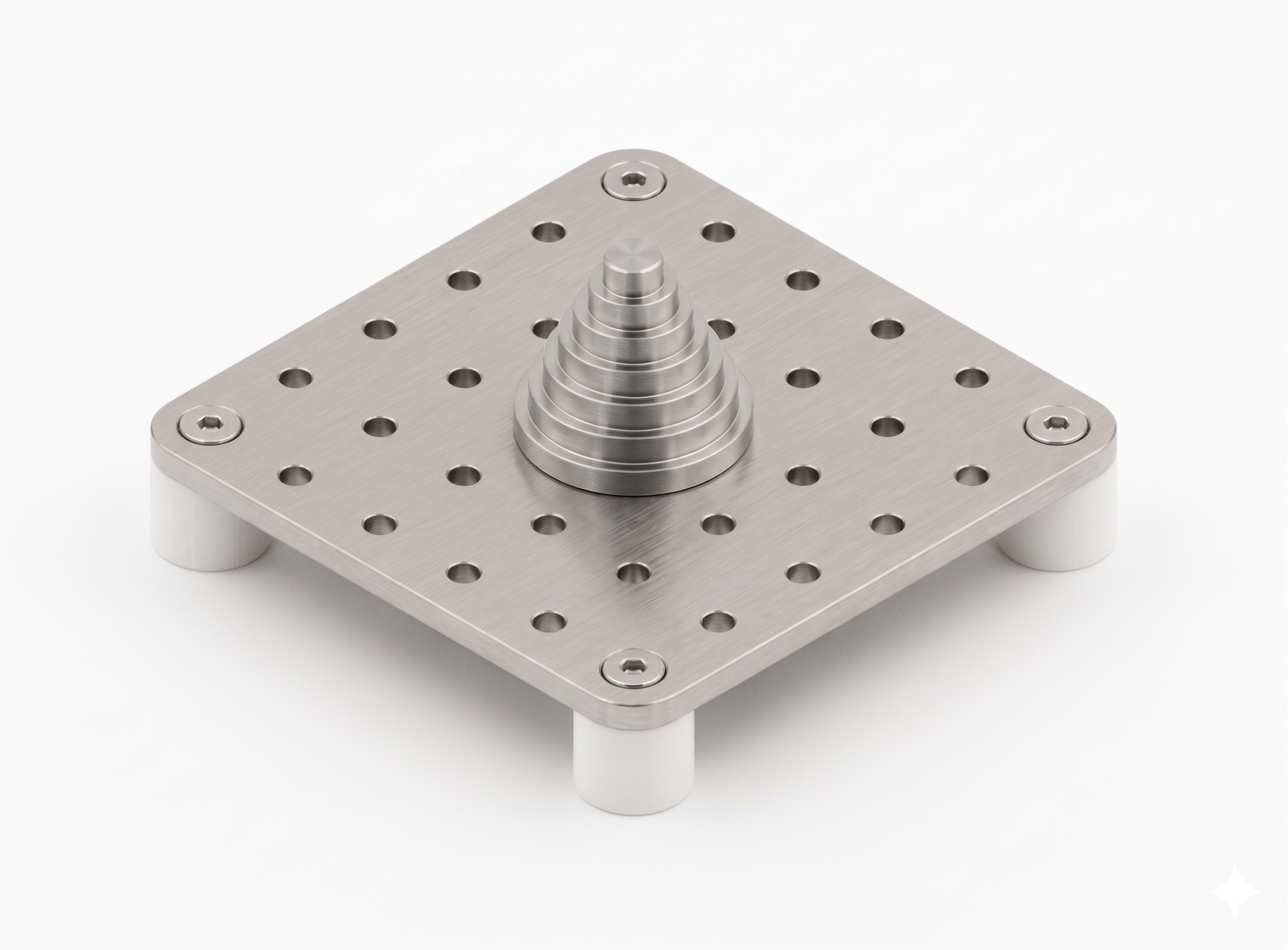
Kink Test Mandrel Set — Stepped
6×6 base plate with a stepped mandrel, giving a graduated series of bend diameters in a single part. Find the diameter at which a device kinks without swapping pins between runs.
Standard: FDA-recommended kink test method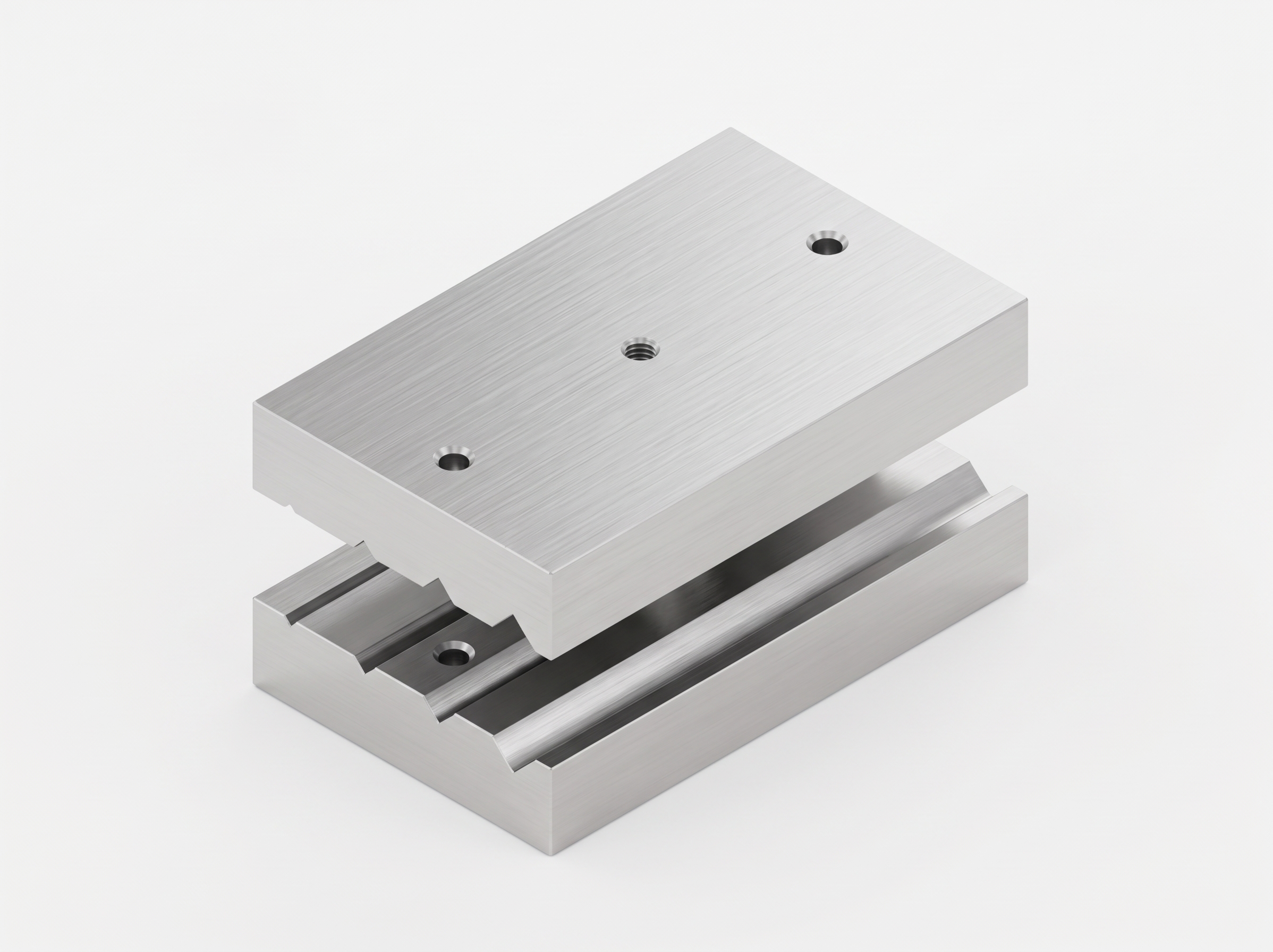
Kink Compliance Fixture
Flat-plate kink fixture for compliance with BS EN 13868. Universal screw mount fits most universal testing machines on the market.
Standard: BS EN 13868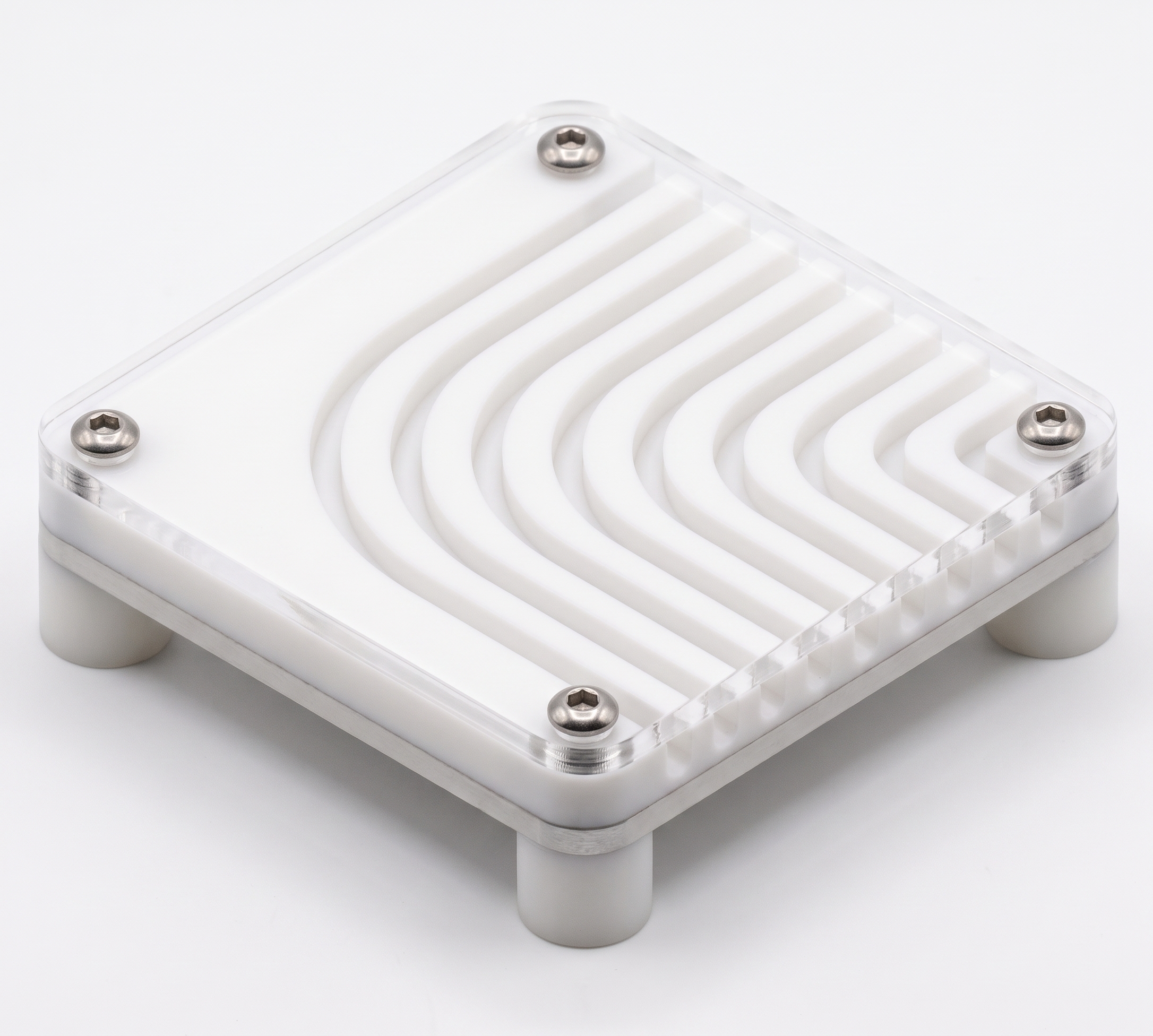
Multi-Radius Kink Track
Block of U-shaped tracks at graduated radii, with a clear top plate for visual inspection. The groove supports the catheter wall the way a vessel or guide sheath would, and lets you test short or stiff distal segments.
Standard: FDA-recommended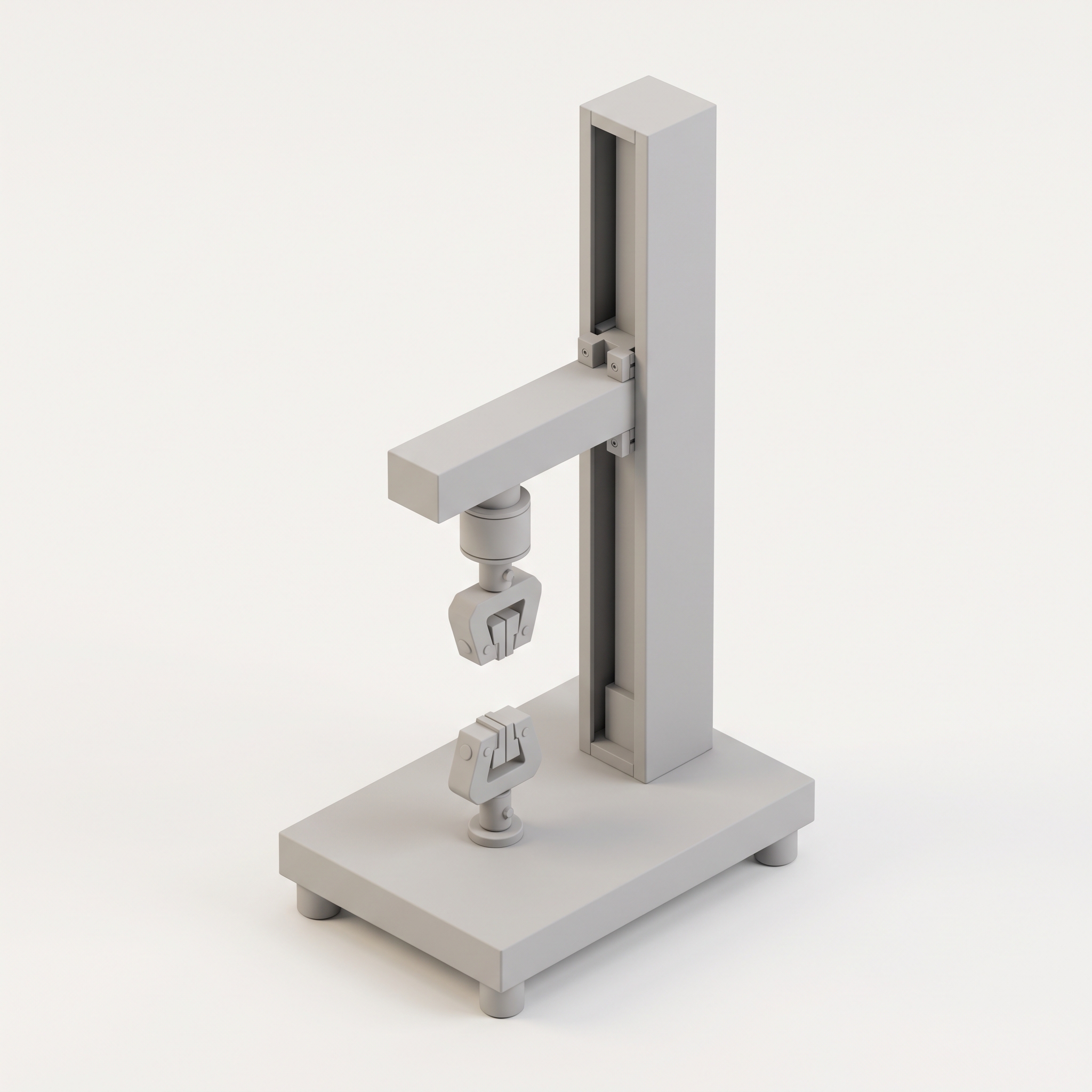
Universal Testing Machine
Open-licensed universal testing machine for tensile, compressive, and flexural testing. Suitable for 3-point bending per ASTM D790-17 and ISO 10555 mechanical tests.
Standard: ASTM D790-17 · ISO 10555OpenStim Core EVB
Evaluation board for the OpenStim Core ASIC. Programmable, charge-balanced stimulation with on-chip impedance sensing — a flexible bench source in place of a fixed-waveform commercial console.
Standard: Full datasheet · SPI register map · firmware library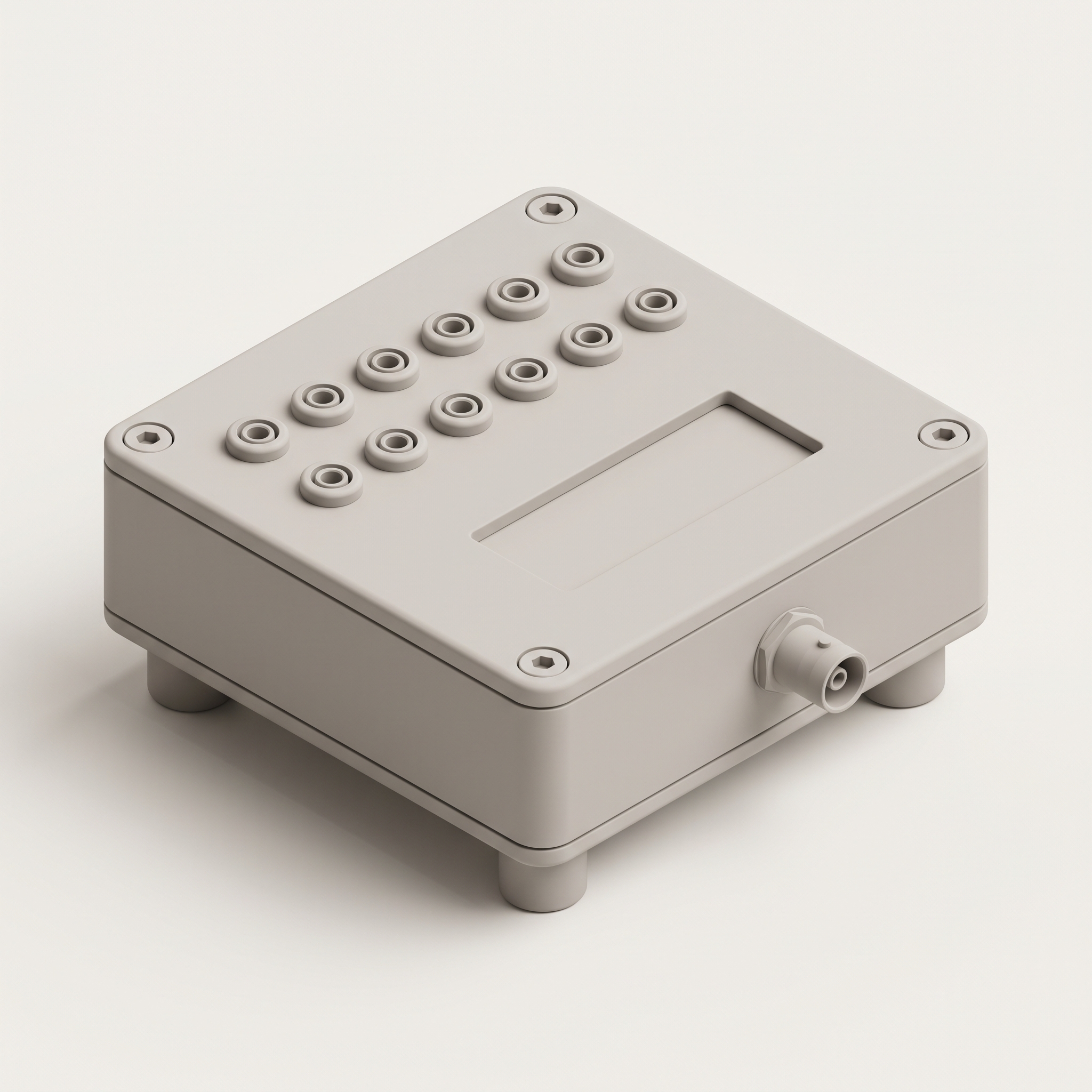
Interface Reference Load
Randles-circuit reference load for characterising stimulation output against a known electrode-tissue equivalent, without an animal or a saline bath.
Standard: Randles equivalent circuit